

The Decline of the Traditional Resume
Imagine spending hours perfecting your resume, only for it to be rejected in seconds by an Applicant Tracking System (ATS). Now, picture a hiring process where your actual skills—not just your work history—determine your job prospects.
Welcome to skills-based hiring, where online assessments are rapidly replacing traditional resumes.
According to LinkedIn’s 2024 Global Talent Trends report, 73% of employers now prioritize skills over degrees, and 52% use pre-hire assessments to evaluate candidates.
 In this article, we’ll explore:
✔ Why resumes are becoming obsolete in modern recruitment
✔ How ATS integrates online assessments to verify skills
✔ What job seekers and recruiters need to know to stay competitive
Why Resumes Are Failing in the Skills-Based Hiring Era
1. The Problem with Traditional Resumes
- Bias-Prone: Names, schools, and even formatting can trigger unconscious bias.
- Skill Exaggeration: 78% of candidates misrepresent skills on resumes (Checkster).
- ATS Limitations: Resumes rely on keyword matching, not actual competency.
 2. The Rise of Skills-Based Hiring
Companies like Google, Apple, and IBM have dropped degree requirements, focusing instead on:
✅ Verified skills (via assessments)
✅ Practical experience (projects, portfolios)
✅ Cultural fit (behavioral tests)
How ATS Now Uses Online Assessments to Screen Candidates
1. Automated Skills Verification
Modern ATS platforms (e.g., Greenhouse, Lever) integrate with:
- Coding tests (HackerRank, Codility)
- Cognitive assessments (Pymetrics)
- Video interviews (HireVue, Spark Hire)
 These tools auto-score candidates, ranking them based on proven abilities rather than resume claims.
2. Adaptive Testing & AI Proctoring
- Dynamic assessments adjust difficulty based on performance.
- AI monitors for cheating (e.g., eye movement, tab switching).
3. Blind Hiring Through Assessments
- Removes demographic bias by anonymizing candidates.
- Ensures only top performers move forward.
The Psychology Behind Skills-Based Hiring
Why Employers Are Making the Shift
- Skills-based hiring isn’t just a trend—it’s backed by psychology and data. Studies show that:
- Cognitive ability tests predict job performance better than interviews (Schmidt & Hunter, 1998)
Work samples are the single best predictor of job success (Harvard Business Review)
This explains why companies are investing heavily in simulated job tasks rather than relying on resumes that often highlight pedigree over actual capability.
The Candidate Experience Revolution
For job seekers, this shift means:
- Fairer evaluations – Your skills speak louder than your school’s reputation
- Faster hiring processes – No more waiting weeks for resume reviews
- Better job fit – You’re evaluated for what you can actually do
Industry-Specific Assessment Trends
Different sectors are adopting skills verification in unique ways:
Tech Industry:
- Live coding challenges (e.g., building a mini-app in 90 minutes)
- System design simulations for senior roles
Healthcare:
- Virtual patient interactions for nursing candidates
- Medical knowledge assessments with adaptive difficulty
Creative Fields:
- Portfolio-based evaluations with AI scoring for design consistency
- Real-time creative challenges (e.g., “Design a logo in 30 minutes”)
This specialization means candidates must research their industry’s specific assessment trends to prepare effectively.
What Job Seekers Must Do to Adapt
1. Build a Skills-First Resume
- Lead with a “Core Skills” section (not just work history).
- Add links to portfolios, GitHub, or certification badges.
2. Prepare for Common Assessments
| Test Type | Platforms | Tips |
| Coding Challenges | HackerRank, Codility | Practice algorithm problems daily |
| Personality Tests | Pymetrics, Traitify | Answer honestly—no “ideal” result |
| Case Studies | Vervoe, TestGorilla | Focus on structured problem-solving |
3. Showcase Verified Skills
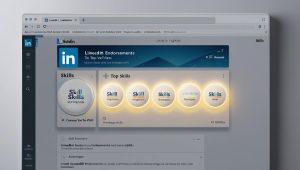
- LinkedIn Skill Badges (from assessments like Microsoft/LinkedIn tests).
- Digital Credentials (e.g., Coursera certificates with shareable links).
What Recruiters Need to Know
1. Configuring ATS for Skills-Based Hiring
- Weight assessment scores higher than resumes in rankings.
- Use AI to flag top performers automatically.
2. Avoiding Legal Pitfalls
- Ensure assessments are ADA-compliant (accommodate disabilities).
- Audit for bias (e.g., time limits disadvantaging neurodivergent candidates).
3. The Future: Blockchain-Verified Skills
- Tamper-proof credentials (e.g., MIT’s digital diplomas).
- Instant verification via decentralized ledgers.
The Resume Isn’t Dead—It’s Evolving
While traditional resumes aren’t disappearing overnight, skills-based hiring is the future. For:
- Job seekers: Focus on provable skills, not just bullet points.
- Recruiters: Leverage ATS-integrated assessments to find true talent.
The question isn’t if resumes will be replaced—it’s how quickly you’ll adapt.

Find out how to prepare for and ace your skills assessment – read our recent article here…
